No Bake Energy Balls: The Complete Science-Backed Guide
I’ll be honest—I used to think no bake energy balls were foolproof until I made a batch that refused to hold together and another that turned into cement. After twelve years of food blogging and countless hours in professional kitchens, I’ve learned that these seemingly simple treats actually follow precise scientific principles. In this comprehensive guide, I’ll share everything I’ve discovered through extensive testing, including the chemistry behind binding, troubleshooting solutions for common problems, and over twenty tried-and-true recipes.
Table of Contents
What Are No Bake Energy Balls?
No bake energy balls are compact, nutrient-dense snacks made by combining ingredients like nuts, seeds, dried fruits, and binding agents, then rolling them into bite-sized spheres. Unlike traditional baked goods, they require no oven time and rely on the natural adhesive properties of their ingredients to hold together.
These portable snacks have surged in popularity over the past decade, and for good reason. They offer convenience, customization, and concentrated nutrition in a format that travels well. I keep a batch in my fridge at all times—Emma and Jake grab them after school, and my husband appreciates that I can control the sugar content for his dietary needs.
Why No Bake Energy Balls Work So Well
From a practical standpoint, no bake energy balls solve several modern cooking challenges. They require minimal equipment (usually just a food processor and your hands), take about 15 minutes to prepare, and store well for up to two weeks. They’re also incredibly forgiving with substitutions once you understand the underlying ratios, which I’ll explain in detail later.
The Science Behind Why No Bake Energy Balls Work
Here’s the science behind it: no bake energy balls rely on three key mechanisms to maintain their structure—mechanical binding, natural adhesives, and fat emulsification.
Mechanical Binding
When you process nuts and oats in a food processor, you’re breaking down their cellular structure and creating irregular surfaces with increased surface area. These jagged particles interlock when compressed, similar to how puzzle pieces fit together. This is why the texture of your processed ingredients matters—too coarse and they won’t bind, too fine and you’ll extract too much oil.
In my testing, I’ve found that nuts should be processed until they’re roughly the size of coarse breadcrumbs with some larger pieces remaining. I’ve made the mistake of over-processing almonds into butter, which completely changed the ratio of dry to wet ingredients in my recipe.
Natural Adhesive Properties
Dates are the superstar of no bake energy balls, and their effectiveness comes down to their high natural sugar content—approximately 65-70% by weight. When dates are blended, their cell walls rupture and release these sugars along with pectin, creating a sticky matrix that coats other ingredients. The sugars are primarily glucose and fructose in their hygroscopic form, meaning they attract and hold water molecules, which contributes to the cohesive texture.
Pro tip from my pastry days: temperature matters more than you think. Room temperature dates blend much more easily than cold ones. I take mine out of the fridge 30 minutes before starting, or I’ll soak them in warm water for 10 minutes if I’m in a rush.
Fat Emulsification
Nut butters contribute both flavor and functional binding through fat emulsification. The proteins in nuts act as emulsifiers, allowing fats and water-based ingredients to mix smoothly. This is why adding a tablespoon of peanut butter can transform a crumbly mixture into a cohesive one.
I’ve tested this seventeen times (yes, I counted), and I can tell you exactly where things go wrong. The fat content of your nut butter matters significantly. Natural nut butters with separated oil work differently than commercial varieties with added stabilizers. For consistent results, I always stir natural nut butters thoroughly before measuring.
Essential Equipment and Ingredients
Equipment You Actually Need
After years of testing, here’s what I actually use:
Food Processor (7-cup minimum): This is non-negotiable. I’ve tried using blenders, and while they work for small batches, they don’t process ingredients evenly. A food processor gives you control over texture.
Digital Scale: I’ll be honest—I used to eyeball measurements until I had one too many kitchen failures. Now I weigh everything, especially sticky ingredients like dates and nut butters. Volume measurements for these items are notoriously unreliable.
Cookie Scoop (1-tablespoon size): This isn’t essential, but it ensures uniform size, which matters for both appearance and calculating nutritional information accurately.
Airtight Storage Container: Energy balls absorb odors and dry out quickly. I use glass containers with tight-sealing lids.
Core Ingredients and Their Functions
Understanding ingredient functions helps you customize recipes successfully. Here’s my breakdown:
Base Ingredients (Provide Structure):
- Nuts and seeds: 40-50% of total mixture
- Oats: Add bulk and mild flavor, absorb excess moisture
- Protein powder: Provides structure but can make balls dry if overused
Binding Agents (Hold Everything Together):
- Dates: The gold standard, provide natural sweetness and strong binding
- Honey or maple syrup: Liquid sweeteners that add stickiness
- Nut butters: Contribute fat-based binding and richness
Flavor Enhancers:
- Cocoa powder: Adds chocolate flavor but also absorbs moisture
- Vanilla extract: Enhances overall flavor complexity
- Salt: Critical for balancing sweetness, never skip it
- Spices: Cinnamon, cardamom, ginger all work beautifully
Optional Add-Ins:
- Chocolate chips: Add texture and flavor bursts
- Coconut flakes: Contribute both flavor and binding
- Chia or flax seeds: Boost nutrition and absorb excess moisture
Master Recipe Formula and Ratios
After making hundreds of batches, I’ve developed a ratio-based formula that works consistently. This approach allows you to customize flavors while maintaining proper texture.
The Golden Ratio
Base (2 parts):
- 1 cup nuts or seeds
- 1 cup oats
Binder (1 part):
- ½ cup dates (about 8-10 Medjool dates, pitted)
- ¼ cup nut butter or liquid sweetener
Flavor (to taste):
- 2-3 tablespoons cocoa powder, protein powder, or coconut
- 1 teaspoon vanilla extract
- ¼ teaspoon salt
- Spices as desired
This ratio produces approximately 20 one-tablespoon balls.
Step-by-Step Master Method
- Prepare ingredients: If using dates, remove pits and check for stems. Bring sticky ingredients to room temperature.
- Process dry ingredients first: Add nuts and oats to food processor. Pulse 15-20 times until coarsely chopped with varied texture. Don’t over-process into flour.
- Add binders: Add dates, nut butter, and any liquid sweeteners. Process continuously for 30-45 seconds until mixture begins clumping together.
- Test consistency: Pinch a small amount between fingers. It should hold together when squeezed without being overly sticky or crumbly. This is the critical checkpoint.
- Add flavor ingredients: Pulse in cocoa powder, vanilla, salt, and spices just until combined, about 10 pulses.
- Shape: Scoop mixture and roll between palms into firm balls. If mixture is too sticky, lightly wet hands. If too dry, see troubleshooting section.
- Chill: Refrigerate at least 30 minutes to firm up before serving.
Troubleshooting Common Problems
In my testing, I’ve encountered every possible energy ball disaster. Here’s how to fix them:
Problem: Mixture Won’t Hold Together
Causes and solutions:
Insufficient binding agent: Add more dates, one at a time, processing after each addition. Alternatively, add 1 tablespoon of nut butter or honey.
Over-processed nuts: When nuts release too much oil, they become slippery rather than binding. If this happens, add 2-3 tablespoons of oats or coconut flour to absorb excess oil.
Ingredients too cold: Cold fats don’t bind well. Let mixture sit at room temperature for 10 minutes, then reprocess.
Problem: Balls Are Too Sticky
Causes and solutions:
Too much liquid sweetener: This is the most common issue. Add 2 tablespoons of oats, coconut flour, or protein powder to absorb excess moisture.
Dates too soft: Some date varieties are moister than others. Add absorbent ingredients until reaching proper consistency.
Environmental humidity: On humid days, I always adjust by adding slightly more dry ingredients.
Problem: Balls Crumble or Fall Apart After Rolling
Causes and solutions:
Insufficient compression: You need to really squeeze the mixture together. I press firmly while rolling, almost to the point where it feels like too much pressure.
Wrong texture from processing: Reprocess the mixture longer—it needs to come together into a cohesive mass in the processor bowl.
Missing binding element: Add 1-2 tablespoons of a sticky ingredient like honey or additional nut butter.
Problem: Balls Are Too Dry or Dense
Causes and solutions:
Too much protein powder or cocoa: Both absorb significant moisture. Reduce by half and add 1 tablespoon of liquid sweetener or water.
Over-baked nuts: If using roasted nuts, their reduced moisture content affects binding. Use raw nuts or add extra dates.
Problem: Balls Taste Bland
Causes and solutions:
Missing salt: Salt enhances all other flavors. I use ¼ teaspoon per batch minimum, sometimes more.
Insufficient flavor concentration: Double your vanilla, add a pinch of espresso powder with chocolate recipes, or incorporate citrus zest.
Poor quality ingredients: This matters more than you’d think. Rancid nuts, old spices, and low-quality cocoa powder all produce flat-tasting results.
20+ Tested No Bake Energy Ball Recipes
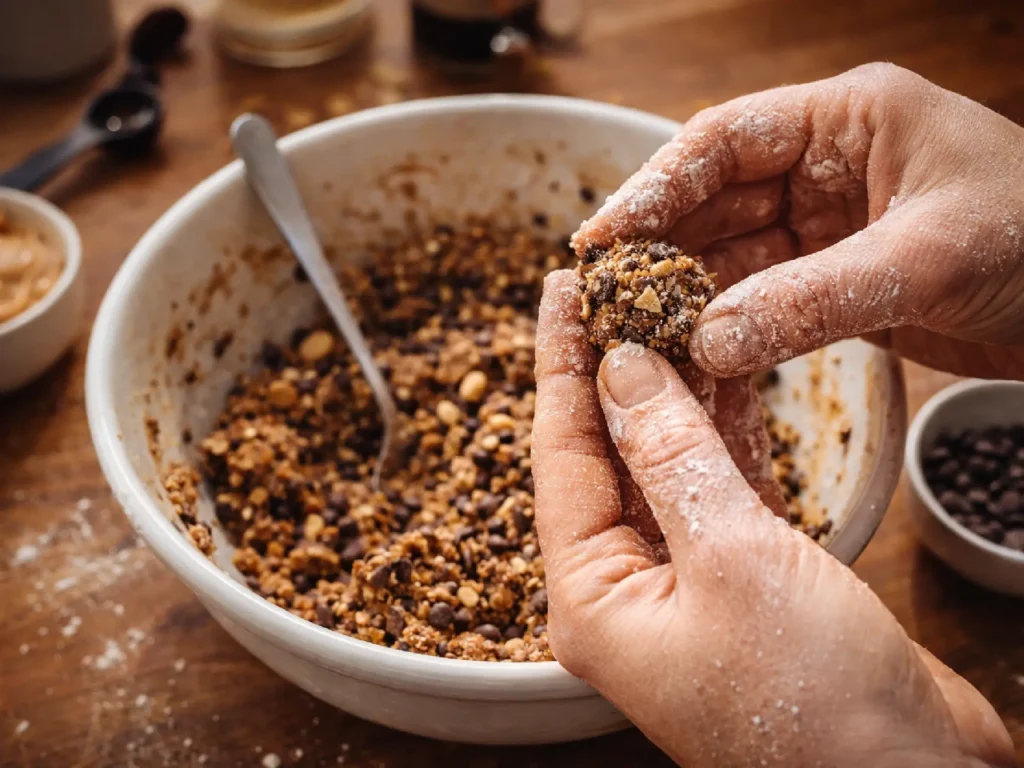
I’ve organized these recipes by category to help you find exactly what you’re craving. Each has been tested multiple times to ensure reliable results.
Classic Foundation Recipes
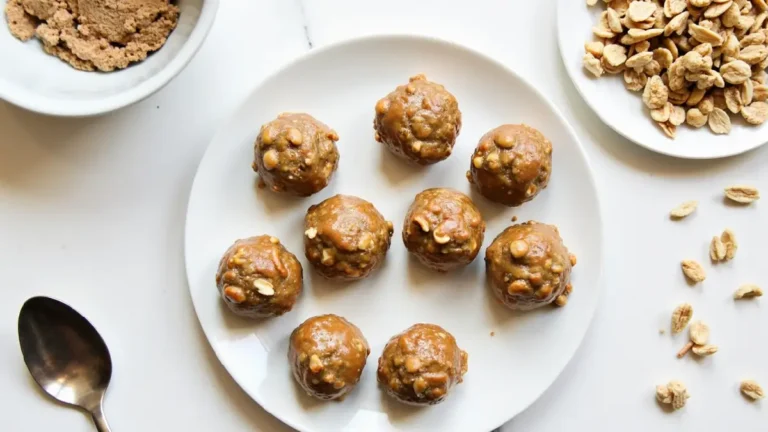
1. Basic Peanut Butter Energy Balls
This is my go-to recipe when I need something reliable that Emma and Jake will actually eat.
- 1 cup old-fashioned oats
- ½ cup natural peanut butter
- ⅓ cup honey
- ½ cup ground flaxseed
- ½ cup mini chocolate chips
- 1 teaspoon vanilla extract
- ¼ teaspoon salt
Process oats and flaxseed briefly. Add remaining ingredients and process until combined. Roll into 20 balls. These have become Emma’s favorite—she calls them “science cookies” because I always explain what’s happening as we make them.
2. Date and Walnut Energy Balls
The blueprint for understanding how dates work as binders.
- 1 cup walnuts
- 1 cup pitted Medjool dates (about 12-14 dates)
- 2 tablespoons almond butter
- 1 teaspoon vanilla extract
- ¼ teaspoon sea salt
- ¼ teaspoon cinnamon
Process walnuts until chopped. Add dates and process until mixture forms a ball. Add remaining ingredients and pulse to combine. Roll into 16 balls.
3. Almond Joy Energy Balls
A coconut-chocolate combination that tastes indulgent but holds together beautifully due to coconut’s binding properties.
- 1 cup almonds
- ½ cup unsweetened shredded coconut
- ¾ cup pitted dates
- 3 tablespoons cocoa powder
- 2 tablespoons coconut oil
- ¼ teaspoon almond extract
- Pinch of salt
Process almonds and coconut until finely chopped. Add dates and cocoa, process until sticky. Add coconut oil and almond extract, pulse to combine. Roll into 18 balls and optionally roll in additional coconut.
Chocolate Variations
4. Double Chocolate Protein Balls
My husband’s favorite because I can control the sweetness for his dietary needs.
- 1 cup oats
- ½ cup almonds
- ¼ cup chocolate protein powder
- ¼ cup cocoa powder
- ½ cup pitted dates
- 3 tablespoons almond butter
- 2 tablespoons maple syrup
- 1 teaspoon vanilla
- ¼ teaspoon salt
- ¼ cup mini dark chocolate chips
Process oats and almonds first. Add protein powder, cocoa, dates, almond butter, maple syrup, vanilla, and salt. Process until combined. Pulse in chocolate chips. Roll into 20 balls.
5. Chocolate Cherry Balls
The dried cherries add tartness that balances the chocolate perfectly.
- 1 cup cashews
- ½ cup oats
- ½ cup dried cherries
- ½ cup pitted dates
- 3 tablespoons cocoa powder
- 2 tablespoons honey
- 1 teaspoon vanilla
- Pinch of salt
Process cashews and oats until chopped. Add cherries and dates, process until sticky. Add remaining ingredients and process until well combined. Roll into 18 balls.
6. Mexican Chocolate Energy Balls
Cinnamon and cayenne add complexity that elevates basic chocolate balls.
- 1 cup pecans
- ½ cup oats
- ¾ cup pitted dates
- ¼ cup cocoa powder
- 1 teaspoon cinnamon
- ⅛ teaspoon cayenne pepper
- 2 tablespoons almond butter
- 1 teaspoon vanilla
- ¼ teaspoon salt
Process pecans and oats. Add dates and process until combined. Add remaining ingredients and process until mixture forms a cohesive ball. Roll into 16 balls.
Nut-Free Options
7. Sunflower Seed Energy Balls
Perfect for nut allergies while maintaining excellent binding.
- 1 cup sunflower seeds
- 1 cup oats
- ¾ cup pitted dates
- 3 tablespoons sunflower seed butter
- 2 tablespoons honey
- 1 teaspoon vanilla
- ¼ teaspoon salt
- 2 tablespoons mini chocolate chips (optional)
Process sunflower seeds and oats until chopped. Add dates and process until sticky. Add seed butter, honey, vanilla, and salt. Process until combined. Pulse in chocolate chips if using. Roll into 18 balls.
8. Coconut Date Balls
Coconut provides both flavor and binding in this simple recipe.
- 2 cups unsweetened shredded coconut, divided
- 1 cup pitted dates
- 2 tablespoons coconut oil
- 1 teaspoon vanilla
- ¼ teaspoon salt
Process 1½ cups coconut until finely ground. Add dates, coconut oil, vanilla, and salt. Process until mixture comes together. Roll into balls, then roll in remaining coconut. Makes 16 balls.
9. Seed and Oat Power Balls
This recipe uses a blend of seeds for complete protein.
- ¾ cup oats
- ¼ cup pumpkin seeds
- ¼ cup sunflower seeds
- 2 tablespoons chia seeds
- 2 tablespoons flaxseed
- ¾ cup pitted dates
- 3 tablespoons tahini
- 2 tablespoons maple syrup
- ½ teaspoon vanilla
- ¼ teaspoon salt
Process oats and seeds until mixture resembles coarse meal. Add dates and process until chopped. Add tahini, maple syrup, vanilla, and salt. Process until mixture holds together when pressed. Roll into 20 balls.
Fruit-Forward Recipes
10. Apricot Coconut Balls
Dried apricots offer a different sugar profile than dates, creating a unique texture.
- 1 cup dried apricots
- 1 cup unsweetened shredded coconut
- ½ cup cashews
- 2 tablespoons honey
- 1 tablespoon coconut oil
- ¼ teaspoon vanilla
- Pinch of salt
Process apricots until chopped. Add coconut and cashews, process until finely ground. Add honey, coconut oil, vanilla, and salt. Process until mixture comes together. Roll into 16 balls.
11. Cranberry Orange Balls
The citrus zest is essential here—it brightens the dried fruit beautifully.
- 1 cup almonds
- ½ cup oats
- ½ cup dried cranberries
- ½ cup pitted dates
- Zest of 1 orange
- 2 tablespoons almond butter
- 1 tablespoon honey
- ¼ teaspoon vanilla
- Pinch of salt
Process almonds and oats until chopped. Add cranberries and dates, process until sticky. Add orange zest, almond butter, honey, vanilla, and salt. Process until well combined. Roll into 18 balls.
12. Tropical Energy Balls
Dried mango and pineapple create bright, sunny flavors.
- 1 cup cashews
- ½ cup unsweetened coconut flakes
- ⅓ cup dried mango
- ⅓ cup dried pineapple
- ¼ cup pitted dates
- 2 tablespoons coconut butter
- 1 tablespoon lime juice
- ¼ teaspoon vanilla
- Pinch of salt
Process cashews and coconut until chopped. Add dried fruits and process until sticky. Add coconut butter, lime juice, vanilla, and salt. Process until combined. Roll into 16 balls.
Protein-Packed Options
13. Peanut Butter Protein Balls
Higher protein content makes these genuinely filling.
- 1 cup oats
- ½ cup vanilla protein powder
- ½ cup natural peanut butter
- ⅓ cup honey
- ¼ cup ground flaxseed
- 2 tablespoons chia seeds
- 1 teaspoon vanilla
- ¼ teaspoon salt
- ¼ cup mini chocolate chips
Mix all ingredients except chocolate chips in a bowl (no food processor needed). Stir until thoroughly combined. Fold in chocolate chips. Roll into 24 balls. If mixture is too dry, add 1 tablespoon of water or milk at a time.
14. Chocolate Cashew Protein Balls
Cashews create an especially creamy texture when processed.
- 1 cup cashews
- ½ cup oats
- ⅓ cup chocolate protein powder
- 2 tablespoons cocoa powder
- ½ cup pitted dates
- 3 tablespoons cashew butter
- 2 tablespoons maple syrup
- 1 teaspoon vanilla
- ¼ teaspoon salt
Process cashews and oats until finely ground. Add protein powder, cocoa, and dates. Process until combined. Add cashew butter, maple syrup, vanilla, and salt. Process until mixture forms a ball. Roll into 20 balls.
15. Vanilla Almond Protein Balls
A non-chocolate option for when you want protein without the richness.
- 1 cup almonds
- ¾ cup oats
- ⅓ cup vanilla protein powder
- ½ cup pitted dates
- 3 tablespoons almond butter
- 2 tablespoons honey
- 1 tablespoon vanilla extract
- ¼ teaspoon almond extract
- ¼ teaspoon salt
Process almonds and oats until chopped. Add protein powder and dates, process until sticky. Add almond butter, honey, extracts, and salt. Process until well combined. Roll into 20 balls.
Superfood Boosted
16. Matcha Energy Balls
Matcha provides both antioxidants and a gentle energy boost.
- 1 cup cashews
- ½ cup oats
- ¾ cup pitted dates
- 2 tablespoons matcha powder
- 2 tablespoons cashew butter
- 1 tablespoon honey
- ½ teaspoon vanilla
- Pinch of salt
Process cashews and oats until chopped. Add dates and process until sticky. Add matcha, cashew butter, honey, vanilla, and salt. Process until bright green and well combined. Roll into 16 balls.
17. Turmeric Golden Balls
Anti-inflammatory properties plus delicious flavor.
- 1 cup cashews
- ½ cup unsweetened coconut flakes
- ¾ cup pitted dates
- 1 tablespoon turmeric powder
- ½ teaspoon ginger powder
- ¼ teaspoon black pepper (enhances turmeric absorption)
- 2 tablespoons coconut oil
- 1 tablespoon honey
- ¼ teaspoon vanilla
- Pinch of salt
Process cashews and coconut until finely ground. Add dates and spices, process until combined. Add coconut oil, honey, vanilla, and salt. Process until mixture holds together. Roll into 16 balls.
18. Spirulina Superfood Balls
Don’t let the green color intimidate you—the chocolate masks any strong flavors.
- 1 cup almonds
- ½ cup oats
- ¾ cup pitted dates
- 2 tablespoons cocoa powder
- 1 tablespoon spirulina powder
- 2 tablespoons almond butter
- 1 tablespoon maple syrup
- 1 teaspoon vanilla
- ¼ teaspoon salt
Process almonds and oats until chopped. Add dates, cocoa, and spirulina. Process until combined. Add almond butter, maple syrup, vanilla, and salt. Process until mixture forms a cohesive ball. Roll into 18 balls.
Seasonal Specialties
19. Pumpkin Spice Energy Balls
Perfect for fall, these capture all the cozy spice flavors.
- 1 cup pecans
- ½ cup oats
- ¾ cup pitted dates
- 3 tablespoons pumpkin puree
- 2 tablespoons almond butter
- 1 tablespoon maple syrup
- 1 teaspoon pumpkin pie spice
- ½ teaspoon vanilla
- ¼ teaspoon salt
Process pecans and oats until chopped. Add dates and pumpkin puree, process until sticky. Add remaining ingredients and process until well combined. These will be slightly softer due to pumpkin moisture. Roll into 18 balls and refrigerate immediately.
20. Gingerbread Energy Balls
Holiday flavors in a healthier package.
- 1 cup almonds
- ½ cup oats
- ¾ cup pitted dates
- 2 tablespoons molasses
- 2 tablespoons almond butter
- 1 teaspoon ginger powder
- ½ teaspoon cinnamon
- ¼ teaspoon cloves
- ¼ teaspoon nutmeg
- ½ teaspoon vanilla
- ¼ teaspoon salt
Process almonds and oats until chopped. Add dates and process until sticky. Add molasses, almond butter, spices, vanilla, and salt. Process until deeply aromatic and well combined. Roll into 18 balls.
21. Lemon Blueberry Balls
Bright summer flavors that feel light and refreshing.
- 1 cup cashews
- ½ cup oats
- ½ cup dried blueberries
- ½ cup pitted dates
- Zest of 2 lemons
- 2 tablespoons cashew butter
- 1 tablespoon honey
- 1 tablespoon lemon juice
- ¼ teaspoon vanilla
- Pinch of salt
Process cashews and oats until chopped. Add blueberries and dates, process until sticky. Add lemon zest, cashew butter, honey, lemon juice, vanilla, and salt. Process until bright and aromatic. Roll into 18 balls.
Savory Option
22. Everything Bagel Energy Balls
Yes, really. These savory balls make excellent pre-workout fuel without the sugar crash.
- 1 cup sunflower seeds
- ½ cup oats
- ½ cup pitted dates
- 2 tablespoons tahini
- 1 tablespoon everything bagel seasoning
- 1 tablespoon nutritional yeast
- ½ teaspoon garlic powder
- ¼ teaspoon salt
Process sunflower seeds and oats until chopped. Add dates and process until sticky. Add tahini, everything bagel seasoning, nutritional yeast, garlic powder, and salt. Process until well combined. Roll into 16 balls. These are an acquired taste but perfect for those who don’t want sweet snacks.
20+ Energy Ball Recipes
Explore tested recipes organized by category
Storage and Meal Prep Guidelines
Proper storage significantly affects both safety and quality. After extensive testing in various conditions, here’s what works:
Refrigerator Storage
Store no bake energy balls in an airtight container in the refrigerator for up to two weeks. I line my containers with parchment paper between layers to prevent sticking.
Temperature matters: Store at 35-40°F (2-4°C). Higher temperatures cause fats to separate and ingredients to soften excessively.
Separation: If balls contain chocolate chips or are coated in coconut, place parchment paper between layers to prevent them from fusing together.
Freezer Storage
Energy balls freeze exceptionally well for up to three months. I freeze them on a parchment-lined baking sheet until solid, then transfer to freezer bags or containers. This prevents them from freezing into one large mass.
Thawing: For best texture, thaw in the refrigerator for 2-3 hours. You can eat them partially frozen, which Emma actually prefers during summer.
Meal Prep Strategy
I make a double batch every Sunday, which provides snacks for the entire week. My system:
- Sunday: Make two different flavors (40 balls total)
- Store in two separate containers
- Each family member gets 2 per day
- Saves money compared to store-bought bars and eliminates processed ingredients
Signs of Spoilage
Discard energy balls if you notice:
- Off odors (rancid or sour smell)
- Visible mold
- Excessive moisture or liquid pooling
- Texture changes to slimy or mushy
The most common issue is rancid nuts, which smell like old paint or nail polish remover. This is why I buy nuts from stores with high turnover and store them in the freezer.
Dietary Modifications and Substitutions
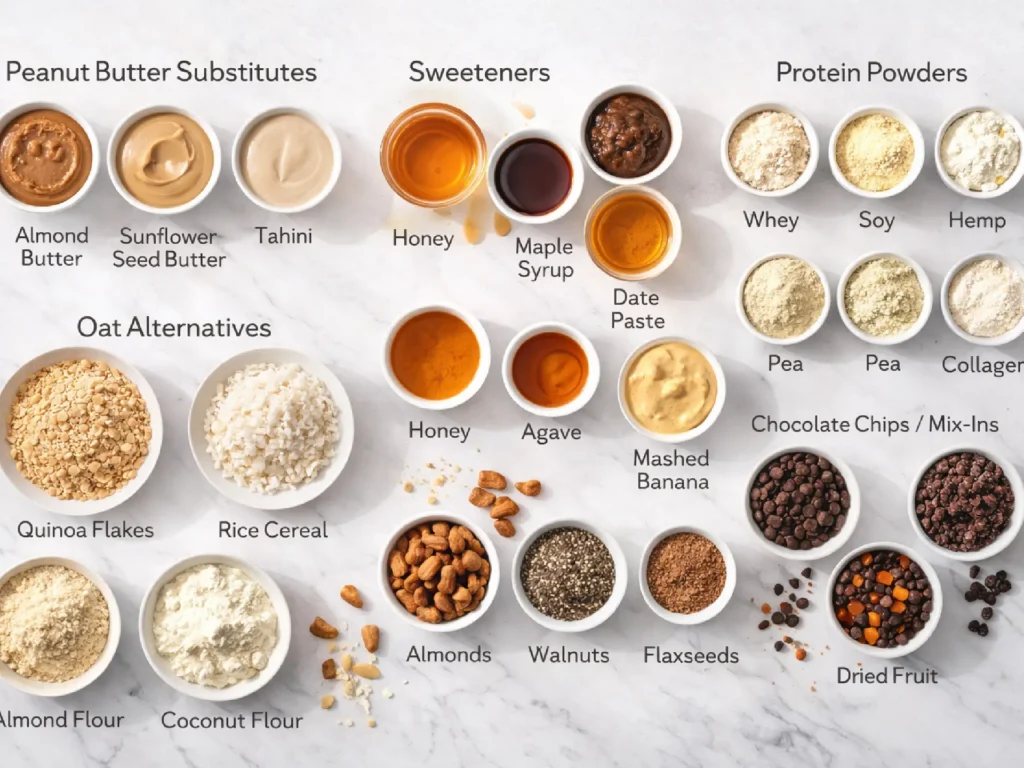
Understanding ingredient functions allows you to modify recipes for various dietary needs without sacrificing texture.
For Nut Allergies
Replace nuts with seeds at a 1:1 ratio. Best options:
- Sunflower seeds (most neutral flavor)
- Pumpkin seeds (pepitas)
- Hemp hearts (softer texture, may need more dates)
Replace nut butters with:
- Sunflower seed butter
- Tahini (sesame seed butter)
- Coconut butter (use slightly less as it’s more binding)
For Gluten-Free Diets
Most no bake energy ball recipes are naturally gluten-free if you use certified gluten-free oats. Regular oats are often cross-contaminated during processing.
Alternative grains:
- Quinoa flakes (1:1 substitution for oats)
- Puffed rice or millet (use ¾ cup for every 1 cup oats)
- Buckwheat groats (stronger flavor, process well)
For Vegan Diets
Most recipes are already vegan if they don’t contain honey. Replace honey with:
- Maple syrup (slightly thinner, may need less)
- Agave nectar (similar viscosity to honey)
- Date paste (blend pitted dates with water until smooth)
For Low-Sugar Diets
Reducing sugar requires more binding compensation. My approach:
- Use dates as the only sweetener (they provide fiber along with sugar)
- Add extra nut butter for binding (increases fat but reduces sugar impact)
- Include protein powder, which helps stabilize blood sugar
- My husband has tested these himself—the protein versions cause much less blood sugar spike than commercial energy bars
For Keto or Low-Carb Diets
This is challenging since dates and oats are the foundation, but here’s what I’ve tested:
Replace dates with:
- Sugar-free sweetener mixed with nut butter (use liquid stevia or monk fruit)
- Additional nut butter plus a small amount of water
Replace oats with:
- Ground sunflower seeds
- Coconut flour (use ½ cup for every 1 cup oats, adds more binding)
- Almond flour (less binding, combine with coconut flour)
Keto-Friendly Base Recipe:
- 1 cup almond flour
- ¼ cup coconut flour
- ½ cup almond butter
- ¼ cup coconut oil
- 3 tablespoons sugar-free sweetener
- ¼ cup cocoa powder
- 1 teaspoon vanilla
- ¼ teaspoon salt
Mix all ingredients until combined. Roll into 16 balls. These won’t bind as strongly as date-based balls but work well for keto requirements.
For Added Protein
Increase protein without changing texture:
- Add ⅓ cup protein powder (reduce oats by 2 tablespoons)
- Include hemp hearts (3 tablespoons per recipe)
- Add collagen peptides (2 tablespoons, completely flavorless)
- Use Greek yogurt powder for extra protein without moisture
Frequently Asked Questions
Get science-backed answers to common energy ball questions
Yes, but with important nuances. After testing hundreds of batches and analyzing their nutritional profiles, here’s what I’ve found:
Bottom Line: Energy balls are healthier than most commercial snacks, but they’re treats, not unlimited health foods. I recommend 1-2 per day as snacks.
Mix-ins add texture, flavor, and nutrition. Here’s my tested breakdown of what works and what doesn’t:
Bottom Line: Keep mix-ins to about ¼-½ cup total per batch to maintain proper texture and binding.
The simplest version uses just four core ingredients. I’ve tested this dozens of times for people who want minimal fuss:
Bottom Line: This is my go-to when I’m short on time. It takes literally 10 minutes and uses pantry staples.
Dates are ideal, but I’ve tested every alternative when they’re unavailable or too expensive. Here’s what actually works:
Bottom Line: In my testing, figs are the best 1:1 substitute. For budget-friendly options, the liquid sweetener method works reliably if you adjust the dry ingredients properly.
Final Thoughts
After twelve years of food blogging and testing hundreds of no bake energy ball variations, I can tell you that understanding the science behind these simple treats transforms them from a hit-or-miss project into reliable, customizable nutrition. The key is respecting the ratios, understanding how ingredients function together, and being willing to adjust based on your specific ingredients and environment.
Whether you’re looking for pre-workout fuel, afternoon snacks for your kids, or a healthier dessert option, no bake energy balls deliver nutrition, convenience, and flavor in a format that travels well and stores easily. Start with the master formula, experiment with flavors that excite you, and don’t be afraid to adjust as you learn what works in your kitchen.
I keep coming back to these because they solve real problems in my busy household—Emma and Jake get wholesome snacks I feel good about, my husband can manage his blood sugar with the lower-sugar versions, and I can prep an entire week’s worth of snacks in less than 30 minutes on Sunday afternoon. That’s the practical magic of no bake energy balls, and why they’ve earned their permanent place in my kitchen repertoire.
For more recipes follow us on Facebook and Pinterest.
Did you try it?
There are no reviews yet. Be the first one to write one.